
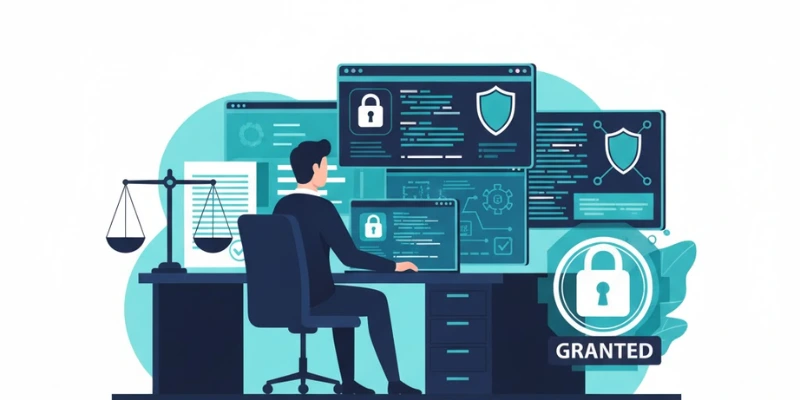
Ethical hacking is not just about technical skill, it’s about responsibility, discipline, and understanding legal limits. Professionals in this field must operate within strict boundaries to ensure their work protects rather than harms systems. For individuals aspiring to master these ethical and professional principles, enrolling in a Cyber Security Course in Trichy helps build the technical expertise and legal awareness needed to navigate cybersecurity challenges with confidence and integrity.
Understanding the Concept of Ethical Hacking
Ethical hacking involves testing systems to identify vulnerabilities before malicious hackers exploit them. However, even with good intentions, actions outside approved scopes can lead to legal consequences. A true ethical hacker always works under defined permissions, maintaining transparency and following organizational guidelines to protect both data and reputation.
The Importance of Authorization
Authorization forms the foundation of ethical hacking. Before testing begins, written consent from the organization is essential. This ensures all activities are legitimate and conducted within the defined scope. Professionals trained to understand legal frameworks through Ethical Hacking Course in Erode learn how authorization minimizes risks and ensures compliance during penetration testing or vulnerability assessments.
Understanding Legal Boundaries in Hacking
Ethical hackers must stay informed about laws such as the Information Technology Act in India and international cybersecurity regulations. These laws define what constitutes legal versus illegal access to digital systems. A solid understanding of these boundaries helps professionals conduct their work responsibly and avoid unintentional violations.
The Role of Non-Disclosure Agreements
Confidentiality plays a critical role in ethical hacking. Non-Disclosure Agreements (NDAs) protect sensitive data discovered during assessments. They ensure that any vulnerabilities, passwords, or confidential information remain secure and are disclosed only to authorized individuals. NDAs also build trust between the hacker and the client, reinforcing professionalism.
Working Within the Scope of Engagement
Each hacking assignment defines a clear scope of what systems can be tested, what tools may be used, and what activities are off-limits. Ethical hackers must strictly follow this scope. Overstepping these boundaries, even unintentionally, can compromise systems or lead to legal repercussions. A disciplined approach ensures that testing remains safe, effective, and compliant.
Responsible Disclosure of Vulnerabilities
Once vulnerabilities are identified, they must be reported responsibly. Ethical hackers never exploit or share discovered weaknesses publicly without consent. Instead, they provide detailed reports to authorized teams, allowing them to fix issues before malicious exploitation. This practice strengthens trust and supports the organization’s long-term security goals.
Maintaining Professional Ethics
Ethical hacking requires a balance of skill and moral responsibility. Professionals must resist temptations to misuse knowledge or explore systems outside permitted access. Through Ethical Hacking Course in Trichy, learners gain not only technical skills but also a strong ethical foundation, understanding the importance of integrity, accountability, and compliance.
Legal Consequences of Unethical Actions
Unauthorized access, even for curiosity or testing, can lead to severe penalties under cybercrime laws. These consequences may include fines, imprisonment, or damage to professional reputation. By adhering to ethical guidelines and legal permissions, hackers can protect both themselves and the systems they are helping to secure.
Continuous Learning and Legal Awareness
The cybersecurity field evolves rapidly, with new threats and legal frameworks emerging constantly. Ethical hackers must stay updated on global standards, industry best practices, and government regulations. Continuous learning ensures that professionals remain compliant and effective in identifying and mitigating security risks responsibly.
Building a Career with Ethics and Integrity
A successful ethical hacker is not defined only by technical skill but by trustworthiness and adherence to legal principles. Companies prefer hiring professionals who understand and respect ethical limits, as these individuals ensure data protection without crossing unauthorized boundaries. Building this reputation requires consistent practice and strong moral grounding.
Building a Responsible Future in Ethical Hacking
Understanding legal and permission boundaries is essential for every ethical hacker aiming to make a lasting impact in cybersecurity. By following authorized procedures, respecting confidentiality, and staying informed about regulations, professionals can create safer digital environments. Strengthening these values through Cyber Security Course in Erode helps learners become future-ready, blending legal awareness with technical excellence to build responsible and rewarding careers in the cybersecurity field.
Also Check: Best Programming languages for Ethical Hacking