
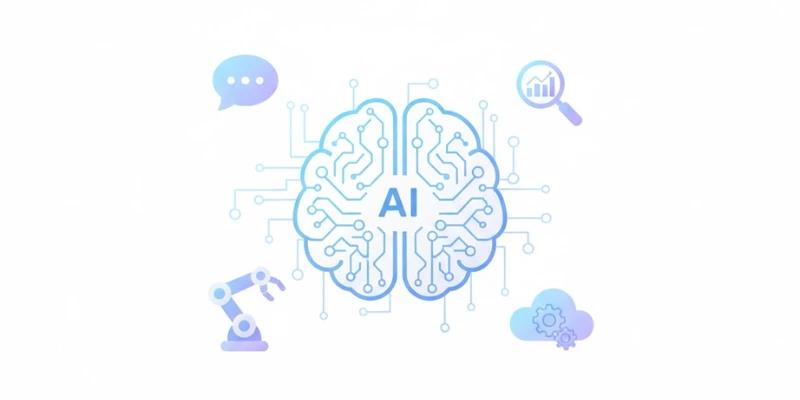
Understanding Artificial Intelligence (AI) is no longer optional, it’s a necessity. AI refers to machines or systems that mimic human intelligence to perform tasks problem-solving, learning, and decision-making. From virtual assistants to recommendation engines, AI has become part of our everyday lives. For those eager to enter this transformative field, gaining structured knowledge through Artificial Intelligence Course in Trichy can provide the right foundation to explore real-world applications and career opportunities in intelligent technologies.
Understanding the Core Idea Behind AI
At its heart, Artificial Intelligence is about making machines think and act like humans. It enables computers to learn from the data, recognize patterns, and make decisions without constant human supervision. Whether it’s predicting weather, detecting fraud, or powering self-driving cars, AI works by combining algorithms, logic, and massive datasets to create smart solutions that continuously improve over time.
How AI Mimics Human Intelligence
AI’s ability to imitate human behavior comes from studying how people reason and apply logic. It uses models inspired by the human brain called neural networks to process information in layers, recognize objects, or understand speech. The goal isn’t just to automate tasks but to give machines the ability to adapt and respond intelligently, leading to systems that can learn independently and make better choices as they gain experience.
Types of Artificial Intelligence
AI can be divided into these both main types: narrow Artificial Intelligence and general AI. Narrow AI is designed to perform specific tasks, like recognizing faces in photos or suggesting products online. It’s what we use daily in applications like voice assistants and chatbots. General AI, however, is more advanced; it aims to replicate human-level understanding and problem-solving across any situation. Though it’s still a research goal, progress in narrow AI continues to bring us closer to this future vision.
Real-World Applications of AI
Artificial Intelligence has moved far beyond labs and classrooms transforming industries. In healthcare, AI analyzes scans to detect diseases early. In finance, it automates risk analysis and fraud detection. In marketing, it helps businesses personalize user experiences. Even transportation benefits from AI systems that optimize routes and fuel use. These innovations showcase how AI helps professionals work smarter and make more informed decisions in every domain.
The Role of Data in AI Learning
AI thrives on data; it’s the fuel that drives machine learning. The more data an algorithm has access to, the better it can learn and predict. Data allows AI systems to understand patterns, improve performance, and make accurate predictions. For example, AI models trained on thousands of images can identify objects with impressive precision. However, managing and cleaning data is equally crucial since poor-quality data can lead to flawed insights or biased outcomes.
How AI Impacts Career Opportunities
AI is redefining career paths across sectors. Professionals skilled in AI are in high demand for roles like data scientists, automation specialists, and AI engineers. These careers require a mix of analytical thinking, programming, and problem-solving. Building such expertise through Generative AI Course in Trichy helps learners understand how intelligent systems work, giving them practical exposure to tools and methods that make technology-driven innovation possible. This foundation is essential for adapting to rapidly evolving industries.
Why Learning AI Is a Smart Career Move
AI isn’t just a technical field it’s an enabler of creativity, innovation, and smart decision-making. Learning it opens doors to careers in robotics, analytics, cybersecurity, and even creative fields like design and content creation. Moreover, companies are actively seeking professionals who can integrate AI into business processes to enhance productivity and efficiency. Whether you’re from a tech or non-tech background, the growing influence of AI makes it one of the most valuable skills of the future.
How Long It Takes to Learn AI Concepts
Learning AI depends on your background and commitment. Beginners often start by understanding a basics of programming, data handling, and algorithms. With consistent effort, foundational skills can be developed within a few months. Hands-on practice and project-based learning are key to mastering complex topics like neural networks and deep learning. Structured guidance through Artificial Intelligence Course in Erode helps learners build strong conceptual and practical knowledge that aligns with real-world requirements in today’s job market.
The Connection Between AI and Human Creativity
Contrary to popular belief, AI doesn’t replace creativity, it enhances it. Tools powered by AI can help artists, writers, and designers generate fresh ideas, automate repetitive work, and explore new creative directions. In business, it assists in analyzing customer behavior and predicting trends, helping professionals make more strategic decisions. The collaboration between human imagination and machine intelligence is shaping industries where both innovation and efficiency coexist seamlessly.
Overcoming Common Myths About AI
Many people assume AI is only for those with advanced technical knowledge. In reality, modern tools and training platforms make it accessible to anyone willing to learn. AI is not about replacing humans, it’s about improving human capabilities. With clear learning paths and beginner-friendly approaches, individuals from any background can understand the core principles and start applying AI concepts effectively in their careers.
The Future of AI and Continuous Learning
As AI continues to advance, continuous learning becomes essential. New tools, frameworks, and technologies are emerging regularly, demanding professionals who can adapt and grow with the field. Staying curious and committed to lifelong learning ensures that individuals remain relevant in an AI-driven world. The ability to interpret, design, and deploy AI systems responsibly will define the next generation of tech leaders and innovators.
Challenges in Learning and Applying AI
Learning AI can be challenging at first because it involves mathematics, coding, and logical reasoning. However, with the right learning environment and practice, these challenges turn into valuable problem-solving skills. Building a strong foundation through Generative AI Course in Erode helps learners connect theoretical knowledge with real-world applications through guided exercises and mentorship. Overcoming these early challenges not only strengthens technical ability but also boosts confidence in managing complex digital systems effectively.
Also Check: Why Artificial Intelligence Is Important for Businesses Today?